Your Pool Deck Works Harder Than You Think
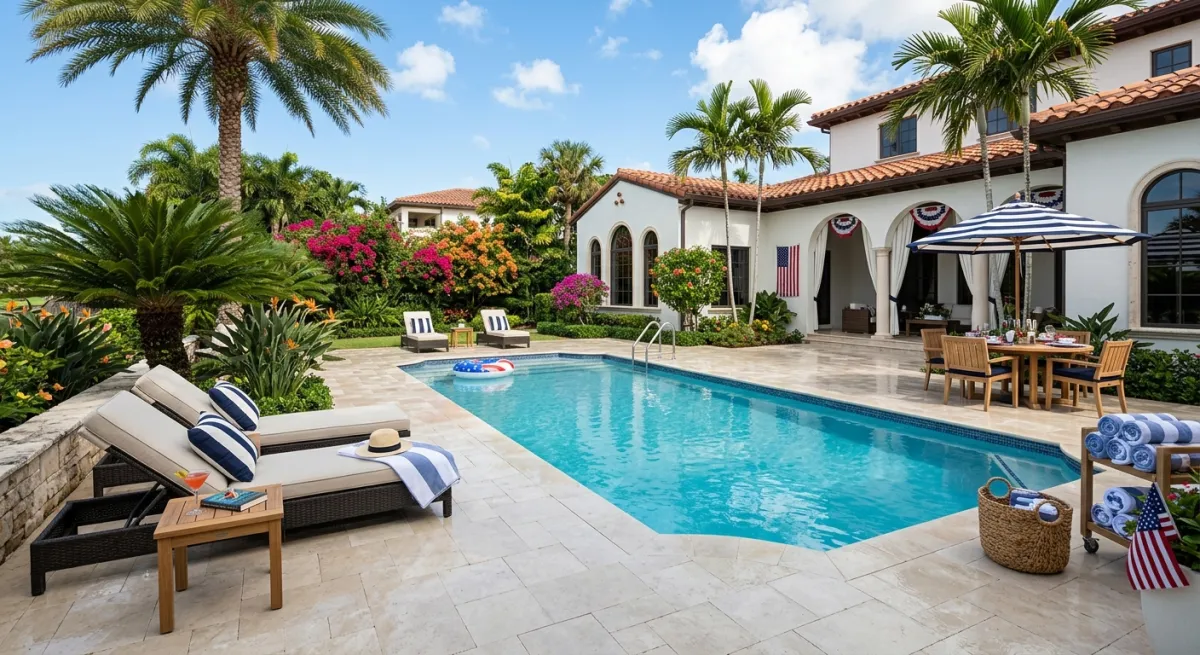
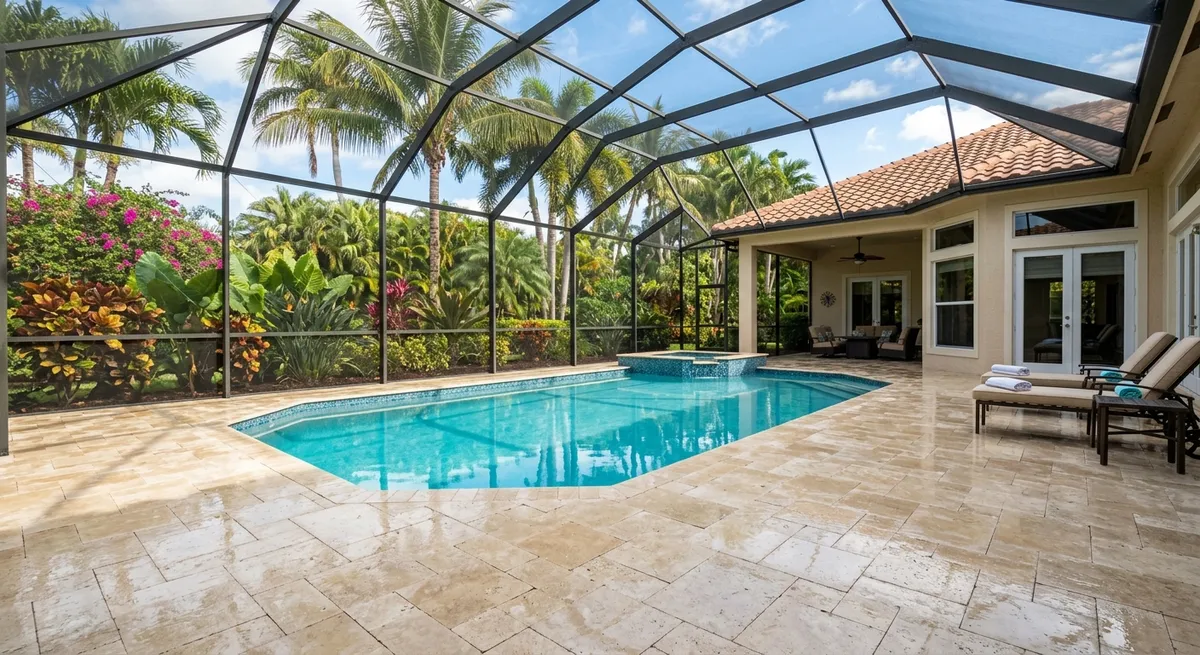
Of all the exterior surfaces on a South Florida home, the pool deck takes the most punishment. It's constantly wet, baked by UV radiation, splashed with chlorinated water, walked on with bare feet, and surrounded by tropical vegetation dropping debris into every corner.
In Palm Beach County, where pools are less of a luxury and more of a necessity, most homeowners use their pool deck 8-10 months out of the year. That's a lot of wear on a surface that's also battling Florida's humidity, algae growth, and afternoon thunderstorms.
If your pool deck has gone from inviting to embarrassing, this guide covers what actually works to restore it.
Why Pool Decks Get So Dirty in Florida
Constant moisture, shade from screen enclosures, and Florida heat create ideal algae growing conditions — green and black colonies establish quickly and become genuinely slippery when wet. Pool water splashing onto the deck deposits chlorine and other chemicals that bleach surfaces unevenly and leave white residue. Sunscreen and body oils accumulate around entry points and lounge areas as dark, greasy stains that resist rinsing. Spillover spas and fountain features leave mineral deposits as white crusty buildup along edges. And fallen leaves — especially oaks — release tannins that create dark brown stains on concrete and lighter pavers. These stains penetrate quickly in Florida's frequent rain cycles.
Mold in Expansion Joints and Grout Lines
The joints between pavers and the expansion joints in poured concrete trap moisture and organic debris, creating perfect conditions for black mold growth. These dark lines make even a relatively clean deck look neglected.The Safety Factor You Can't Ignore
Algae-covered pool decks are dangerously slippery, especially when wet. The area immediately surrounding a pool is where people are most likely to be barefoot, running (despite your best efforts to enforce the "no running" rule), and transitioning between wet and dry surfaces.
Slip-and-fall injuries on algae-covered pool decks are a real liability concern. If someone is injured on your property, your homeowner's insurance may question whether the deck was properly maintained.
Regular cleaning keeps your family and guests safe. Full stop.
How to Clean a Pool Deck: The Professional Approach
Step 1: Pre-Treatment
We apply a cleaning solution designed for pool deck surfaces that breaks down algae, mold, body oil buildup, and chemical deposits. This solution is pool-safe and won't affect your water chemistry when properly applied.Step 2: Surface Cleaning
Using commercial surface cleaners (not open wands), we pressure wash the entire deck evenly. Surface cleaners provide consistent cleaning without the striping and uneven results that hand-wanding creates.For pavers, we adjust pressure to clean effectively without displacing joint sand. For textured concrete, we match the pressure to the surface finish.
Step 3: Edge and Detail Work
Pool coping, step edges, and the interface between the deck and pool tile require careful attention. These areas accumulate the heaviest buildup and are the most visible when you're in the pool looking out.Step 4: Joint and Grout Cleaning
We clean between pavers and along expansion joints where mold concentrates. This detail work makes a dramatic difference in the overall appearance.Step 5: Rinse and Protect
A thorough rinse removes all cleaning solution and debris. For paver decks, this is also the point where we assess whether re-sanding and sealing would benefit the surface.Paver Pool Decks: Should You Seal?
If your pool deck is pavers, sealing after cleaning provides major benefits:
Non-slip protection. Quality pool deck sealers include anti-slip additives that actually improve traction when wet—the opposite of the slippery algae film. Stain resistance. Sealed pavers resist sunscreen stains, tannin stains, and chemical deposits. Spills stay on the surface instead of penetrating. Color enhancement. Sealing brings out the rich colors in your pavers, making the pool area look like it was just installed. We have homeowners who walk past their driveway for years without really seeing it — then after sealing, they stop and look twice. Weed and ant prevention. Sealer locks in joint sand and creates a barrier against weed germination and ant colonies. Easier future cleaning. Sealed surfaces clean faster and more thoroughly because contaminants can't penetrate the paver surface.For pool decks specifically, we recommend water-based sealers with anti-slip additives. These provide protection without creating a surface that's too slick when wet.
How Often Should You Clean Your Pool Deck?
Minimum: once per year before the start of pool season (March-April in Palm Beach County). Ideal: twice per year — once in spring before heavy use begins and once in fall after peak pool season. Heavy use or heavy shade: Every 4-6 months. Decks under screen enclosures with heavy tree coverage nearby accumulate algae fastest. After significant events: Pool parties, heavy storms, or construction nearby all create conditions that warrant cleaning outside your regular schedule.DIY vs. Professional Pool Deck Cleaning
A garden hose and deck brush will remove surface dust but won't address embedded algae, body oil stains, or mold in joints. Consumer pressure washers can handle light cleaning but risk leaving stripe marks and uneven results.
Professional cleaning delivers:
- Commercial equipment that cleans faster and more evenly
- Proper chemical pre-treatment that kills algae at the root
- Even surface cleaning without stripes or damage
- Joint and edge detail work
- Expert assessment of paver condition and sealing needs
Get Your Pool Deck Ready for Summer
Pool season in Palm Beach County is heating up, and pool deck cleaning is one of our most-requested spring services. We work with all deck types: pavers, concrete, travertine, you name it.
Get your quote in about 60 seconds and get your pool deck back to where it should be.