September 10: The Date Every Floridian Should Know
If you've lived in Palm Beach County for more than a few years, you know the rhythm. Hurricane season runs from June 1 to November 30, but the real danger zone is much narrower than that.
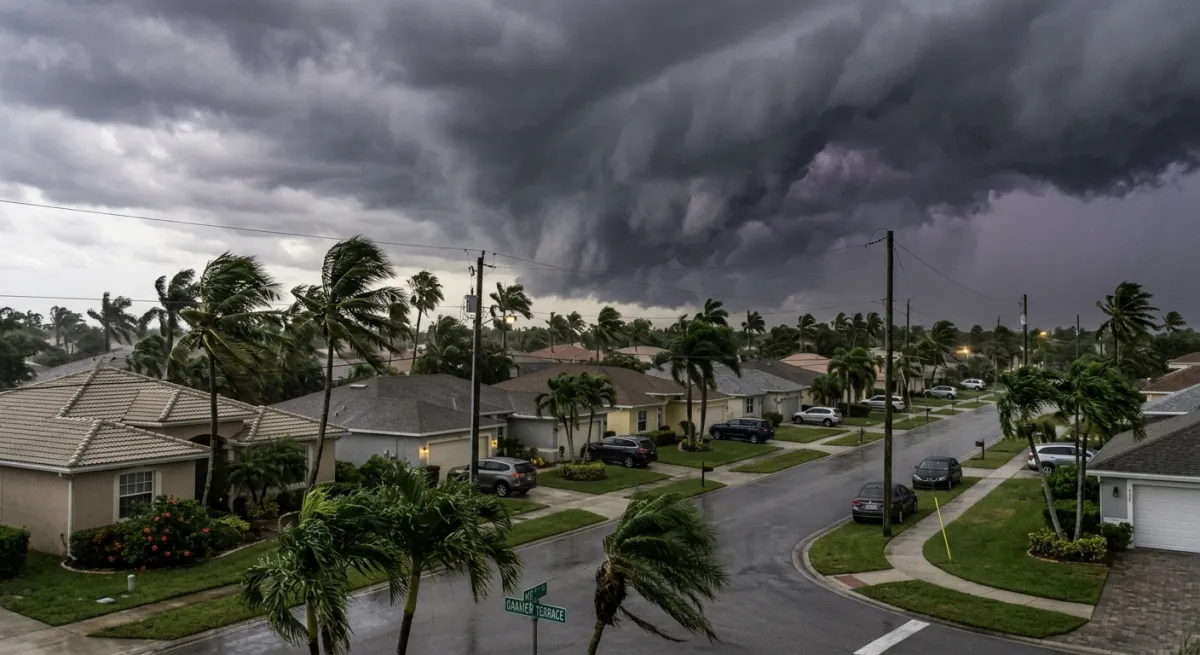
September 10 is the climatological peak of Atlantic hurricane season. It's the date when ocean temperatures, atmospheric conditions, and the African easterly wave pattern all align to produce the highest probability of tropical development.But here's what catches people off guard: many homeowners relax after a quiet June, July, and August. "Maybe this year will be a quiet one," they think. And then September or October delivers.
The historical record is clear. Some of the worst storms to hit South Florida came during the September-October window:
- Hurricane Irma (September 2017) — devastated the entire state
- Hurricane Wilma (October 2005) — crossed South Florida east to west
- Hurricane Jeanne (September 2004) — the third major storm to hit Florida that year
- Hurricane Andrew's anniversary reminder (August 1992, but the season extended with activity through October)
The "It Might Happen This Week" Checklist
This isn't the spring prep checklist where you have months to act. This is the checklist for right now — September, when a storm could form and threaten South Florida within days. Every item on this list can be completed in a single weekend.
Gutters and Downspouts
Why it matters in a hurricane: Clogged gutters overflow during heavy rain, directing water against your fascia, soffit, and foundation. In a hurricane producing 8-15 inches of rain in hours, clogged gutters can cause severe water intrusion. What to do now:- Clear all debris from gutters — leaves, shingle granules, organic buildup
- Flush downspouts with a hose to confirm they're clear
- Check that downspout extensions direct water away from your foundation
- Tighten any loose gutter brackets — high winds will rip loose gutters off the house
Trees and Landscaping
Why it matters in a hurricane: Branches become projectiles. Overgrown trees catch more wind. Dead limbs fall first and fall unpredictably. What to do now:- Remove all dead branches — these are guaranteed projectiles in any significant wind
- Trim branches away from the house, roof, and power lines — minimum 10 feet clearance from your roof
- Thin dense canopies — a tree with air flowing through it survives better than a solid wall of leaves
- Remove or stake young trees that could topple
- Clear any landscaping debris from around the house — fallen fronds, coconuts, loose mulch near windows
Screens, Shutters, and Openings
Why it matters in a hurricane: Once wind gets inside your home, the pressure difference can blow off your roof. Every opening matters. What to do now:- Inspect all window screens — torn or loose screens become debris in a storm. Remove them if a storm is imminent.
- Test hurricane shutters — don't wait until a storm is 48 hours out to discover your shutters are jammed, missing hardware, or have corroded tracks
- Check sliding glass door tracks — clean tracks ensure doors seal properly and shutters mount correctly
- Inspect garage door — this is the most vulnerable opening on most homes. Make sure your hurricane brace is accessible and functional
- Lanai screen enclosures — these will not survive a direct hit from a major hurricane. Know your plan (some homeowners preemptively remove screen panels to prevent the frame from acting as a sail)
Exterior Surfaces and Structures
Why it matters: Clean, well-maintained surfaces are easier to inspect for damage after a storm. Debris-free areas give wind less to grab. What to do now:- Pressure wash driveway and walkways — remove debris and organic buildup that becomes slippery mud in storm conditions
- Clean pool deck — you'll be draining your pool to appropriate levels pre-storm; a clean deck prevents debris from washing into the pool
- Inspect stucco and siding — look for cracks, holes, or areas where water could penetrate during driving rain. Caulk or patch as needed.
- Check the roof from ground level — missing shingles, lifted tiles, or damaged flashing need immediate attention
- Secure or remove outdoor furniture, decorations, and loose items — anything that isn't bolted down is a projectile
The Drainage Assessment
Why it matters: Storm surge gets the headlines, but freshwater flooding from rain causes more cumulative damage to Palm Beach County homes. Most homes here aren't in surge zones, but everyone is in a rain zone. What to do now:- Walk your property during a heavy rain and observe where water flows, where it pools, and where it drains
- Clear all drainage swales, ditches, and French drains of debris and organic buildup
- Make sure your property slopes away from the house — if you see water pooling against your foundation during a normal storm, it will be catastrophic in a hurricane
- Check your sump pump if you have one — test it, clean it, make sure the discharge line is clear
How Clean Gutters, Clear Surfaces, and Secure Screens Reduce Storm Damage
It's not just about aesthetics. There's a direct, measurable relationship between exterior maintenance and storm performance.
The Domino Effect of Poor Maintenance
Here's how a poorly maintained home fails in a hurricane:
1. Clogged gutters overflow, driving water under the soffit 2. Water intrusion through the soffit soaks the attic insulation 3. Wet insulation weighs down the ceiling drywall 4. Meanwhile, a loose tree branch punctures a window screen 5. Wind enters through the compromised opening 6. Internal pressure builds against the roof from below 7. A lifted shingle (that you didn't notice because the roof was dirty) lets water in from above 8. Roof failure follows — water damage, mold, structural compromise
Now imagine the same storm hitting a well-maintained home:
1. Clean gutters channel water to downspouts efficiently 2. Clear soffit vents allow pressure equalization without water intrusion 3. Trimmed trees flex with the wind instead of breaking 4. Secure screens (or pre-removed screens) don't become projectiles 5. Inspected roof has no compromised shingles or flashing 6. The home weathers the storm with minimal damage
The difference between these two scenarios isn't luck. It's maintenance.
Post-Storm Damage Assessment Is Easier on Clean Surfaces
Here's something homeowners don't think about until after a storm: when you need to file an insurance claim, you need to identify what the storm damaged versus what was already deteriorated.
If your roof was covered in algae and missing granules before the storm, your adjuster will have a harder time attributing damage to the storm. If your stucco was already cracked and stained, how do you prove the storm made it worse?
A clean, well-documented exterior before storm season gives you a clear baseline. Take photos after your pre-storm cleaning. If a storm hits, you can show your insurer exactly what's new damage versus pre-existing condition.The Difference Between Prepared and Unprepared: Real Talk
We've been through multiple hurricane seasons here in Palm Beach County. We've seen the before and after. And here's the honest truth:
Prepared homes recover faster. They sustain less damage. Their insurance claims are simpler. Their repair costs are lower. And their owners experience less stress during an already stressful time. Unprepared homes face cascading failures. One problem leads to another, which leads to another. Water gets in where it shouldn't. Debris causes secondary damage. The repair timeline stretches from weeks to months.The cost difference between preparation and repair is staggering. A few hundred dollars in exterior maintenance and cleaning can prevent thousands — sometimes tens of thousands — in storm damage.
Quick-Action Items You Can Do Today
Not this weekend. Not next week. Today.
The 30-Minute Walk-Around
Grab your phone and walk the perimeter of your home. Take photos of:
- Every exterior wall (note cracks, stains, or damage)
- Your roof from all four sides
- Gutters and downspouts
- All windows, doors, and openings
- Trees near the house
- Drainage areas
- Loose items in the yard
The 1-Hour Priority Fix
Pick the single most important item from your walk-around and fix it today. Usually it's one of these:
- Clear the gutters — biggest bang for your time
- Remove one dead tree branch — the one hanging over the roof
- Test your hurricane shutters — find out now if they work, not when a storm is 48 hours away
- Move loose items into the garage — patio furniture, planters, decorations
The Phone Call
If your exterior needs professional attention — pressure washing, gutter cleaning, tree trimming — make the call now. Once a storm enters the forecast cone, every service provider in Palm Beach County is booked solid within hours. Proactive scheduling is the only way to guarantee availability.
Don't Wait for the Forecast
The single biggest mistake Palm Beach homeowners make is waiting until a storm is in the forecast to prepare. By then, it's too late for most exterior maintenance. Stores are sold out. Service providers are overwhelmed. You're competing with a million other procrastinators.
September is here. We're at the peak. The storms that will define this hurricane season haven't formed yet — but they will.
Get your free quote from Crouching Tiger Exterior Cleaning while you still have time to act. We'll help you get your home's exterior ready for whatever this season brings. Serving Palm Beach Gardens, Jupiter, West Palm Beach, and all of Palm Beach County — because the best time to prepare was last month, and the second-best time is today.