You Can't Stop It, But You Can Slow It Down
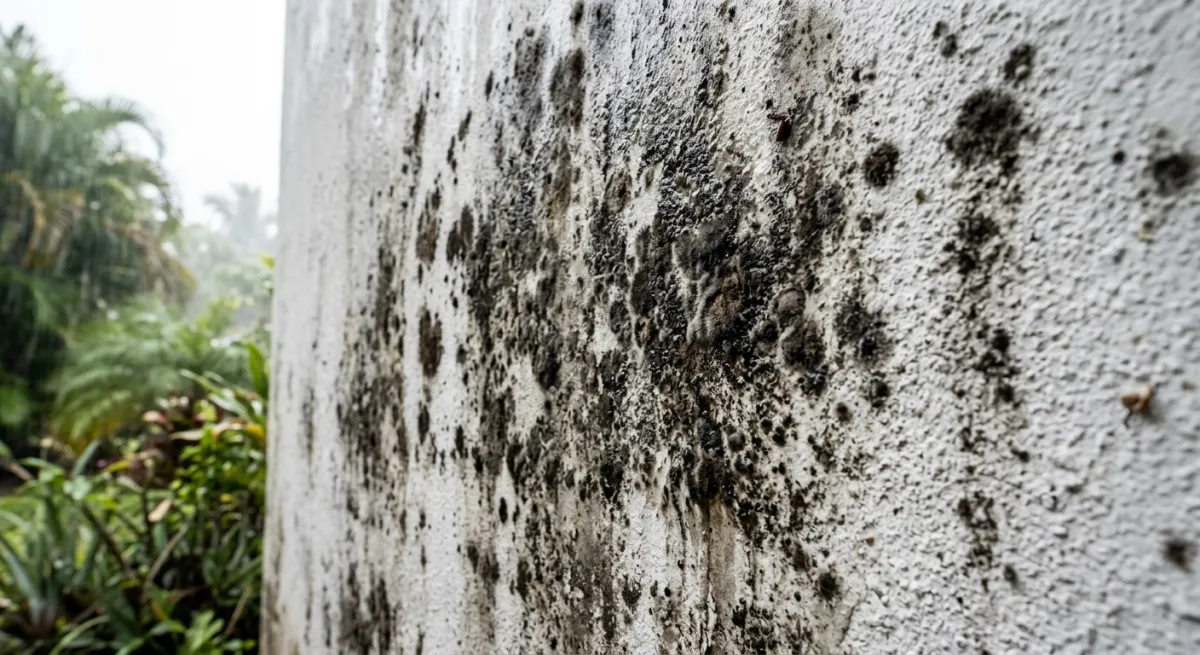
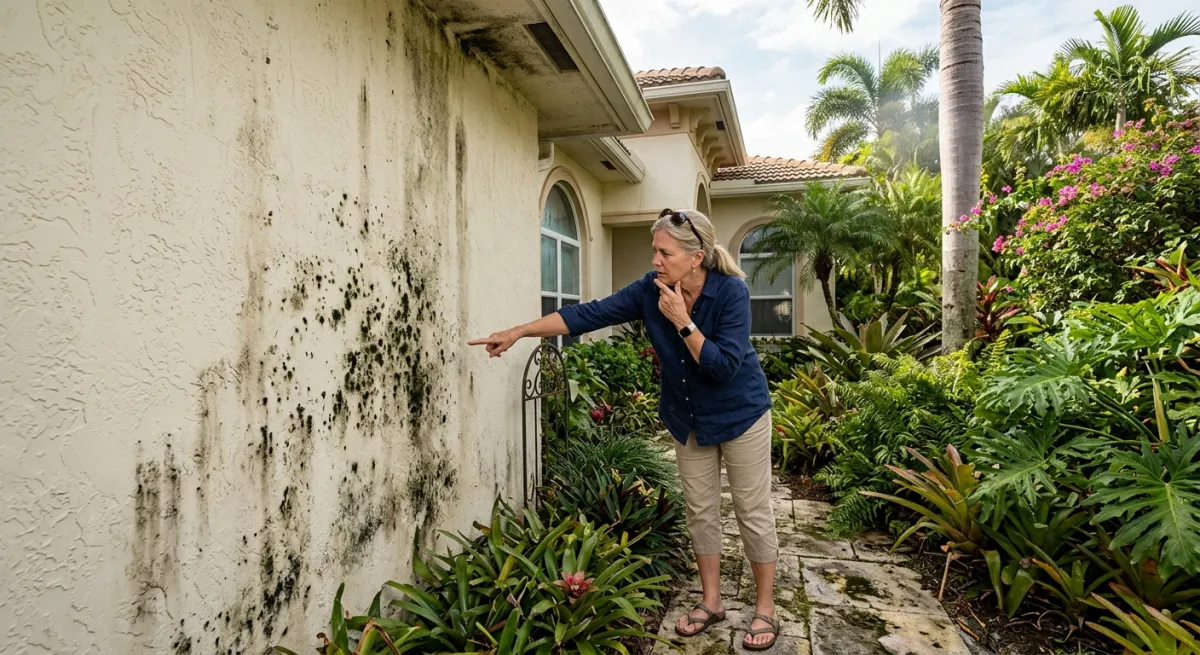
Let's be honest right upfront: if you live in Palm Beach County, mold is going to grow on your home's exterior. It's not a question of "if" -- it's a question of how fast and how bad. Our climate is essentially a mold incubator: temperatures in the upper 80s and 90s, humidity regularly above 80%, and daily afternoon rain showers that keep everything damp.
Professional cleaning removes what's already growing and kills it at the root. But between professional visits, there are real, actionable steps you can take to slow the growth down and extend the life of your last cleaning. These aren't magic tricks -- they're practical adjustments that address the conditions mold needs to thrive.
Think of it this way: mold needs three things to grow aggressively -- moisture, shade, and organic food sources. The more of these you can reduce around your home, the slower mold establishes itself on your exterior surfaces.
Trim Vegetation Away From Exterior Walls
This is the single most impactful thing most Palm Beach homeowners can do, and it's the one most people overlook.
When shrubs, hedges, and tree branches grow up against your house, they trap air and humidity against the wall, block UV from reaching the surface, reduce airflow so surfaces stay damp longer after rain, and deposit organic debris (leaves, bark, pollen) that mold feeds on.
Keep all shrubs trimmed at least 12-18 inches away from exterior walls. Trim branches that overhang or shade large wall sections. Clear any ivy, vines, or climbing plants — they hold moisture directly against the surface. Pay special attention to north-facing walls, which already get minimal sun.
We see this constantly on properties in Palm Beach Gardens and Jupiter: the wall behind a thick hedge of ficus or podocarpus is always the first place mold takes hold. Create some breathing room, and you'll notice a significant difference.
Fix Irrigation Overspray Hitting Walls
This one is sneaky because most homeowners don't even realize it's happening. Your irrigation system runs early in the morning -- maybe 4:00 or 5:00 AM -- and you never see where the water actually lands. But if sprinkler heads are aimed incorrectly or have drifted over time, they could be soaking your exterior walls several times a week.
Constant moisture on a wall surface is like rolling out the red carpet for mold. It doesn't matter how recently you had the house cleaned -- if your sprinklers are hitting the stucco every other morning, mold will be back fast.
What to Do
- Run each irrigation zone manually and walk the property to see where water lands
- Look for telltale signs: water stains at the base of walls, mineral buildup (white crusty deposits), or green algae streaks in the same pattern as your sprinkler arcs
- Adjust or replace sprinkler heads so they water landscaping, not your house
- Check for broken risers that create unintended spray patterns
- Consider drip irrigation for beds directly adjacent to your home
Clean Gutters to Prevent Water Overflow Onto Walls
When gutters get clogged with leaves, pine needles, and debris, they stop directing water away from your home and start dumping it right down your walls. During rainy season, a clogged gutter can overflow with every afternoon storm, creating a waterfall effect that runs down the exterior surface below.
That repeated saturation creates a vertical stripe of moisture that's perfect for mold colonization. You'll often see it as a dark streak running down the wall directly below a gutter seam or corner.
What to Do
- Clean gutters at least twice during rainy season -- once in June and once in August
- Check that downspouts are clear and directing water away from the foundation
- Look for sections where gutters have pulled away from the fascia, creating gaps where water pours over the back edge
- Consider gutter guards if you have heavy tree coverage, though these still need periodic maintenance
- After the next heavy rain, walk outside and watch where water goes -- you might be surprised
Address Grading Issues Directing Water Toward Your Foundation
This is a bigger project, but it matters. If the soil around your home's foundation slopes toward the house instead of away from it, water pools against the base of your walls after every rain. In South Florida, that means standing water against your foundation potentially every single afternoon from June through October.
That moisture wicks up into stucco and concrete block, creating ideal mold conditions from the ground up. You'll see it as dark staining or green growth concentrated at the lowest 2-3 feet of your walls.
What to Do
- Walk your property after a rain and look for water pooling against the foundation
- The ground should slope away from your home at a minimum of 6 inches over the first 10 feet
- Add soil or adjust landscaping beds to redirect water away from the foundation
- Check that landscape edging isn't creating dams that trap water against the house
- Ensure French drains or swales (if present) are clear and functioning
Keep Lanai Screens Clean
Here's one that most people don't connect to mold growth: dirty lanai screens. When the fine mesh of your screen enclosure gets clogged with dust, pollen, and organic debris, it does two things that promote mold:
It reduces airflow. A clean screen allows air to move freely through your covered outdoor space. A dirty screen acts more like a wall, trapping humid air inside the enclosure. That stagnant, humid air sits against your home's exterior walls and creates ideal mold conditions. It traps moisture. Dirty screens don't shed water as effectively. After rain, a clogged screen holds moisture that slowly evaporates into the enclosed space, keeping humidity elevated for hours longer than it should be.What to Do
- Hose down screens from the outside every month or two during summer
- Pay attention to the lower panels that collect the most debris
- Look for torn or damaged screens that may be letting in more organic debris
- If your screens haven't been professionally cleaned in over a year, the buildup may be too heavy for a garden hose -- that's where we come in
Use Fans and Dehumidifiers in Covered Outdoor Spaces
This tip is especially relevant if you have a covered patio, lanai, or outdoor living area that's enclosed or semi-enclosed. These spaces trap humid air, particularly after afternoon rain, and that moisture settles on every surface -- walls, ceiling, furniture, and flooring.
What to Do
- Install ceiling fans in covered lanais and patios if you haven't already -- air circulation is one of the most effective mold deterrents
- Run fans during and after rain to keep air moving and help surfaces dry faster
- For enclosed spaces like Florida rooms or three-season rooms, consider a portable dehumidifier during the most humid months
- If you have outdoor kitchen areas, make sure the exhaust fan or hood vent is working properly -- cooking moisture adds to the problem
- Open screen doors when possible to allow cross-ventilation
Schedule a Mid-Summer Touchup for Problem Areas
Even with all the prevention steps above, some areas of your home are going to grow mold faster than others during summer. North-facing walls, shaded sections under tree canopies, and areas near water features are repeat offenders.
Rather than letting these problem spots get out of control by October, consider a targeted mid-summer cleaning for just the areas that need it.
What to Do
- Identify your home's trouble spots -- you probably already know which walls or surfaces get dirty first
- Ask about a partial or touchup service rather than a full house wash. This is more affordable and targets the areas that actually need attention
- Mid-July or early August is the ideal time for a touchup -- you're halfway through rainy season and catching growth before it gets severe
- Combine the touchup with a quick inspection of the rest of your exterior to catch anything developing
Prevention Is Always Cheaper Than Remediation
Here's the bottom line: every one of these steps is cheaper and easier than dealing with severe mold growth after it's had months to establish itself. When mold gets deeply established in stucco, concrete, or wood, it requires:
- Stronger cleaning solutions and potentially multiple treatments
- Longer labor time to fully remove
- Possible surface repair if growth has caused damage
- More frequent follow-up cleaning to prevent rapid recurrence
It's the difference between maintaining a clean home and restoring a neglected one. Maintenance is always the better deal.
We're Here When You Need Professional Help
These tips will genuinely slow mold growth on your Palm Beach home, but they won't stop it entirely -- nothing can in this climate. When it's time for professional cleaning, whether that's a full house wash, a targeted touchup, or any exterior surface, we're ready.
Get your free quote and let us help you build a maintenance plan that keeps your home looking great all year -- even through the toughest months of South Florida summer.